
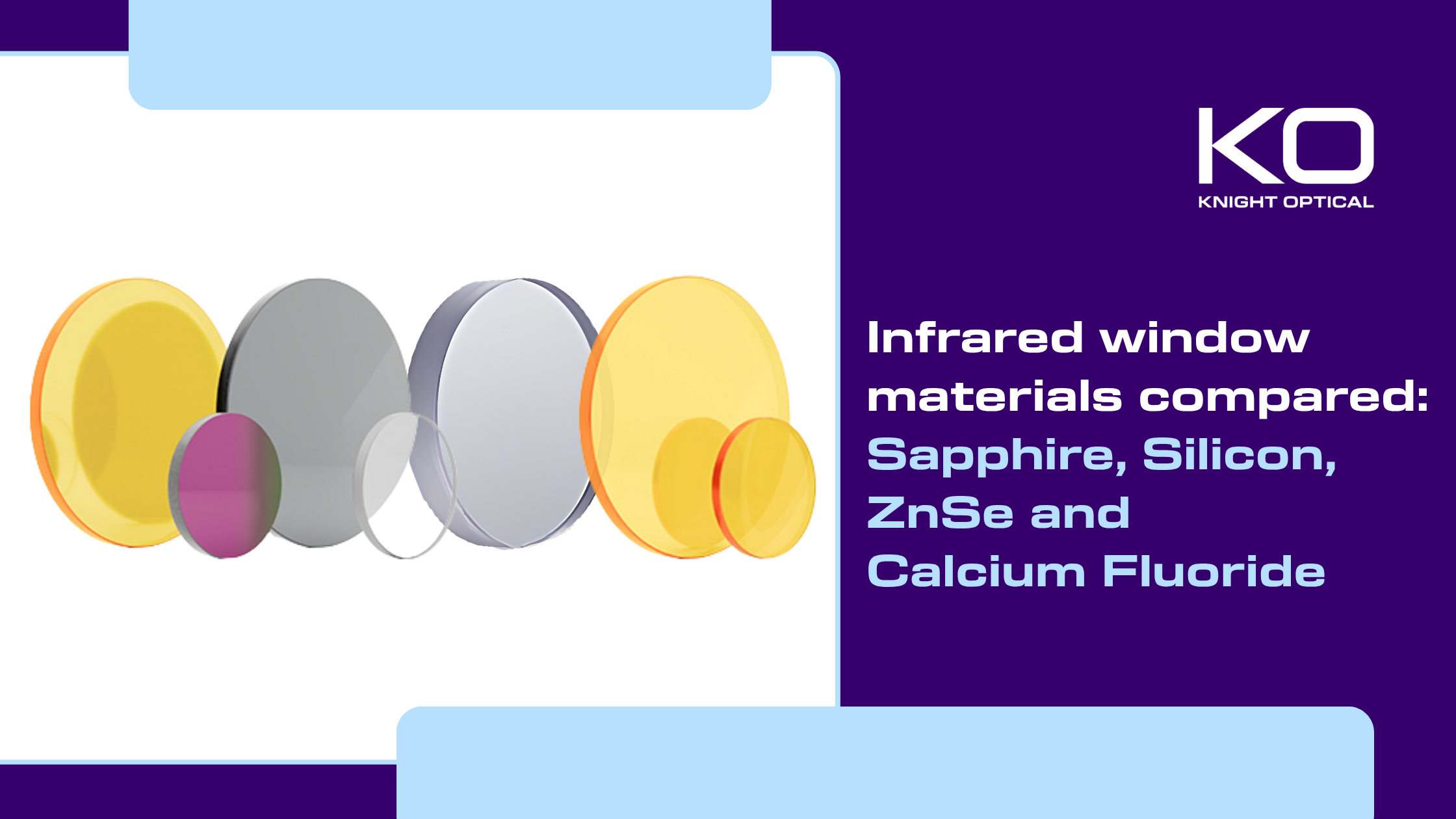
Infrared window materials compared: Sapphire, Silicon, ZnSe and Calcium Fluoride

Infrared windows are used in thermal imaging, surveillance, targeting, range-finding and LiDAR systems operating across the short-wave (SWIR), mid-wave (MWIR) and long-wave (LWIR) infrared regions.
Sapphire, Silicon, Zinc Selenide (ZnSe) and Calcium Fluoride (CaF₂) each transmit different regions of the infrared spectrum and are used across a wide range of imaging, sensing and surveillance systems.
Infrared window material comparison
| Material | Transmission Range (µm) | Refractive Index |
|---|---|---|
| Calcium Fluoride (CaF₂) | 0.13–10 | 1.4096 @ 4 µm |
| Sapphire (Al₂O₃) | 0.17–5.5 | 1.768 @ 4 µm |
| Silicon (Si) | 1.2–7.0 and 25–300 | 3.4289 @ 4 µm |
| Zinc Selenide (ZnSe) | 0.6–16 | 2.4332 @ 4 µm |
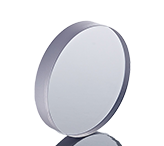
Sapphire windows
Sapphire transmits from approximately 0.17 µm to 5.5 µm, spanning the UV, visible, SWIR and MWIR regions.
Applications include protective windows, viewports, and sensor cover glass, operating across both visible and infrared wavelengths.
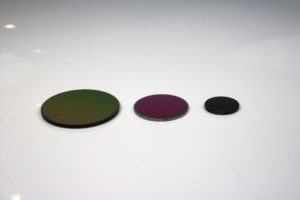
Silicon windows
Silicon transmits from approximately 1.2 µm to 7.0 µm, covering the SWIR and MWIR bands used in many infrared applications.
Silicon windows are available with a range of coating options for infrared applications. Our range includes AR/DLC coated silicon windows covering the LWIR waveband (7-14 µm).
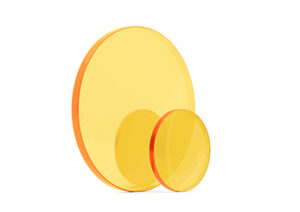
Zinc Selenide (ZnSe) Windows
ZnSe offers one of the broadest transmission ranges of the materials covered here, extending from approximately 0.6 µm to 16 µm and covering the SWIR, MWIR and LWIR regions.
Coating options commonly used with ZnSe include 2-14 µm, 2-15 µm, 8-12 µm and 10.6 µm designs. Our range includes both AR-coated and AR/DLC-coated ZnSe windows for infrared applications.
Calcium Fluoride (CaF₂) Windows
Calcium Fluoride provides transmission from approximately 0.13 µm to 10 µm, covering UV, visible and infrared wavelengths.
Its transmission range extends from the UV region through visible wavelengths and into the infrared.
Which materials cover SWIR, MWIR and LWIR?
Infrared applications are commonly grouped into three atmospheric transmission bands: SWIR (0.7-3.0 µm), MWIR (3.0-5.0 µm) and LWIR (8.0-14.0 µm).
- SWIR (0.7-3.0 µm)
Sapphire, Silicon, ZnSe and CaF₂ all provide transmission within the SWIR region. - MWIR (3.0-5.0 µm)
All four materials provide transmission within the MWIR band. - LWIR (8.0-14.0 µm)
ZnSe transmits across the full LWIR range, while CaF₂ extends to approximately 10µm and may be suitable for applications operating at the lower end of the band.
Stock and custom IR windows
Alongside our stock range of infrared windows, we manufacture custom optical windows to customer specifications. Available options include bespoke dimensions, thicknesses, flatness, parallelism and surface quality, as well as CNC edging, drilled holes and specialist optical coatings including DLC coatings.
Custom optical windows can also be manufactured from a range of specialist infrared materials.
If you’re developing an infrared optical system and need support selecting the most suitable window material, our team can help identify the right substrate, coating and specification for your application.
Request a quote or email our technical sales team: [email protected].